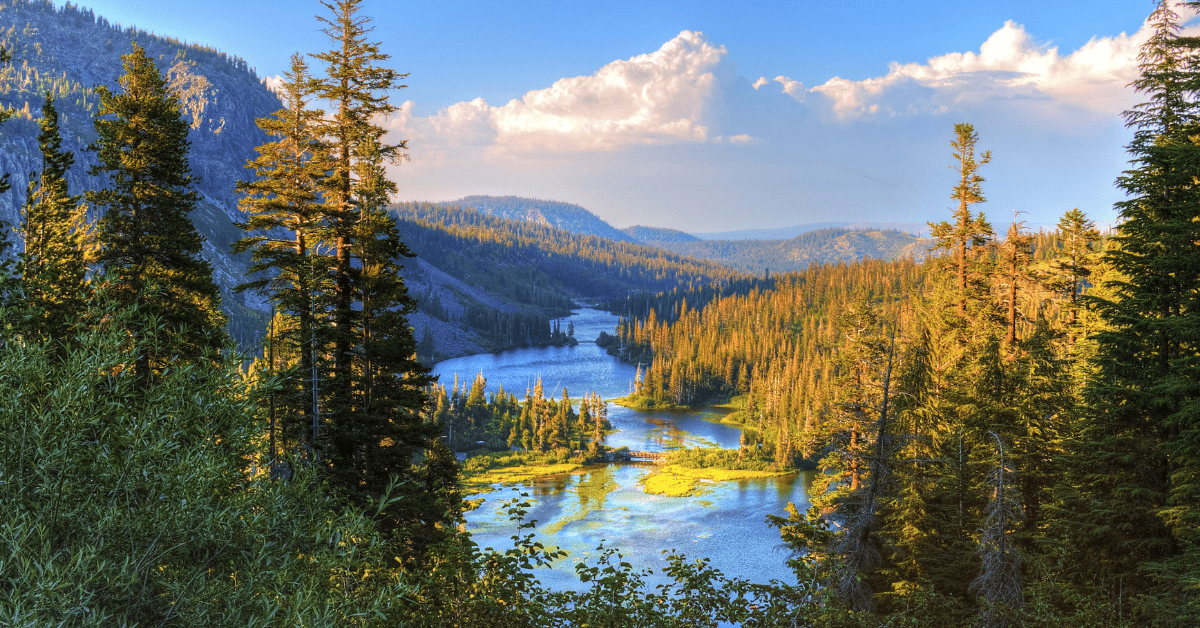
When we think about forests, we often think about what happens on the ground: hiking trails, wildlife, hunting and fishing, or the trees themselves. But forests also provide an essential service that is easy to overlook: clean water.
Forested lands capture rainfall, slow runoff, stabilize soil, and naturally filter water before it reaches streams and rivers. The U.S. Forest Service estimates that more than 180 million people rely on forested lands to capture and naturally filter their drinking water.
That makes the federal government’s proposal to eliminate the Roadless Area Conservation Rule about more than remote wilderness. It is also about water.
On August 18, 2026, U.S. Department of Agriculture Secretary Brooke Rollins announced a proposed rule and draft environmental impact statement recommending the rescission of the 2001 Roadless Area Conservation Rule. The USDA says removing the national policy would give individual national forests and grasslands more flexibility to determine how roadless areas are managed, including how to address wildfire risk.
The proposal is now open for public comment through September 21.
What is the Roadless Area Conservation Rule?
The Roadless Area Conservation Rule was adopted by the U.S. Forest Service in 2001. It established protections for millions of acres of largely undeveloped federal forest lands by generally prohibiting new road construction and commercial timber harvesting in designated Inventoried Roadless Areas, with limited exceptions.
When the rule was adopted, it applied to nearly 60 million acres. Today, the Forest Service estimates that the 2001 rule applies to nearly 45 million acres of National Forest System lands.
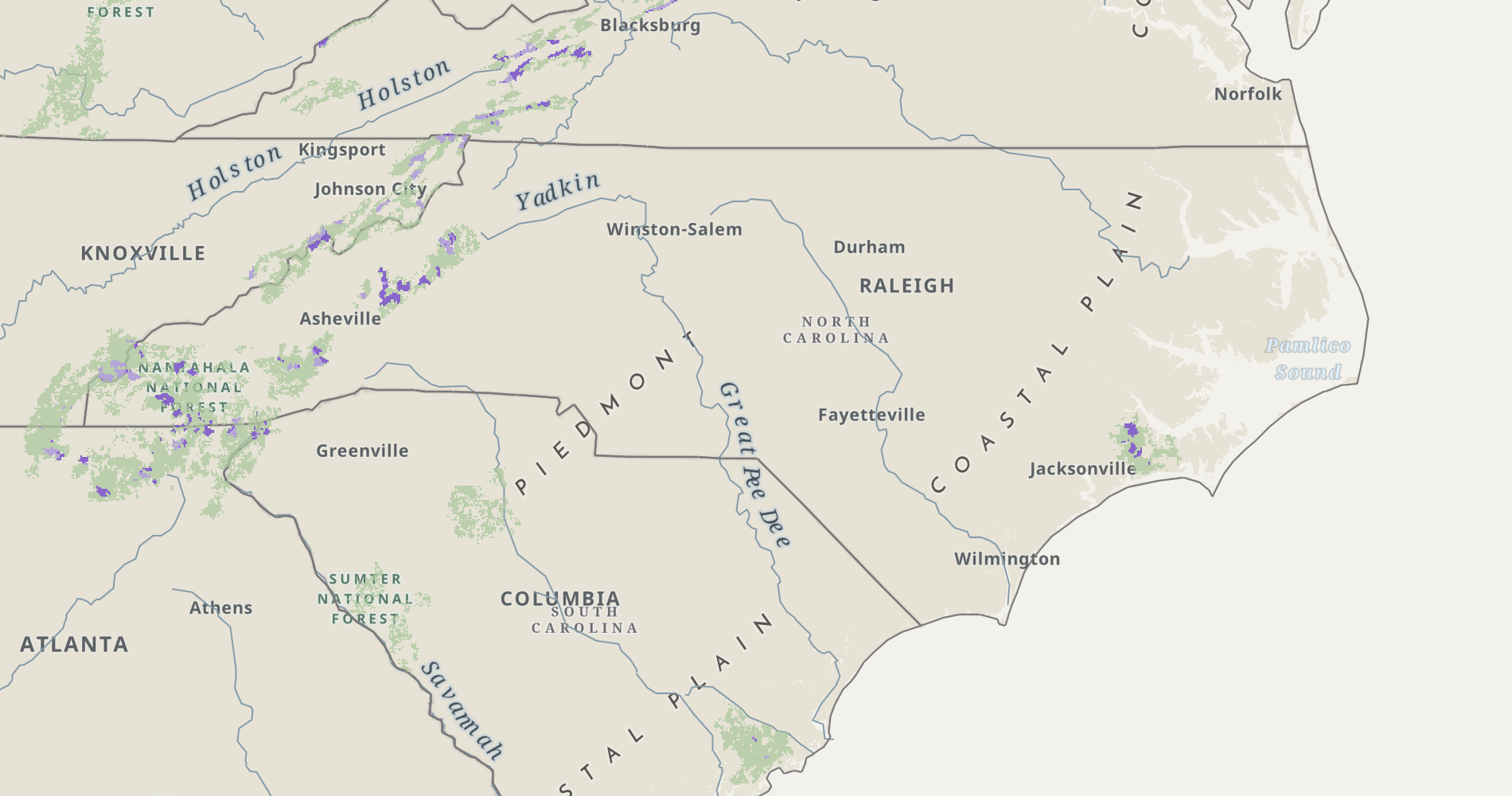
Click here for an interactive map of affected forests.
The USDA’s proposal would remove the Roadless Area Conservation Rule and instead rely primarily on individual forest plans and other existing management processes to determine how these lands are managed. The agency argues that this would reduce regulatory burdens and allow decisions to better reflect local conditions.
The question is what we might lose by giving up a nationwide baseline of protection.
Why this matters in North Carolina
The state’s mountains are the headwaters for rivers that flow across North Carolina and into neighboring states. The North Carolina Department of Environmental Quality oversees water resources across the state, including the protection and management of surface and groundwater that communities rely on for drinking water, agriculture, recreation, and ecosystems.
North Carolina’s mountain forests also support some of the state’s most important watersheds. The U.S. Forest Service manages large portions of the Nantahala and Pisgah National Forests in Western North Carolina, where steep terrain and extensive stream networks make forest management particularly relevant to water quality.
North Carolina has already seen how land disturbance can affect water quality. The North Carolina Department of Environmental Quality’s sediment and erosion control program recognizes that uncontrolled erosion and sedimentation can damage streams and other water resources.
The same basic relationship applies wherever forested watersheds provide drinking water: keeping soil and pollutants out of streams is easier than removing them once they’re there.
Forests, roads, and the water we depend on
Forests are more than places to hike, hunt, or enjoy the outdoors. They are also natural water infrastructure. Forest vegetation and soils capture rainfall, slow runoff, stabilize slopes, and filter pollutants before they reach streams and rivers.
The U.S. Forest Service reports that more than 180 million people rely on forested lands to capture and naturally filter their drinking water. American Rivers reports that rivers flowing through Inventoried Roadless Areas provide clean, reliable drinking water for approximately 25 million people and help protect more than 80,000 miles of rivers.
Building roads can disturb soil, alter drainage, and increase sediment flowing into nearby streams. Research cited by American Rivers has found that logging roads can significantly increase erosion and sediment delivery to streams, harming aquatic habitat and water quality.
The USDA says rescinding the Roadless Area Conservation Rule would give forest managers more flexibility to address wildfire risk, but more roads do not necessarily mean fewer fires. The Forest Service’s own research has examined whether changing roadless protections would reduce wildfire frequency and intensity, while a 2026 study in Fire Ecology found increased wildfire ignition density near roads.
Roads can play a legitimate role in wildfire response and forest management, but policymakers should weigh those benefits against potential impacts on water quality, erosion, and wildfire risk. Clean water starts upstream, and keeping forests intact can help protect the water communities depend on before pollution and sediment ever reach the treatment plant.
The question is whether removing protections that have kept millions of acres of forest roadless for more than two decades is worth the risk to clean water and healthy watersheds.
Make your voice heard
North Carolinians have until midnight on September 21, 2026, to weigh in on the USDA’s proposal to rescind the Roadless Area Conservation Rule.
Comments can be submitted through the official Regulations.gov docket.
A few rules of thumb:
- Explain who you are, where you live, and why the issue matters to you.
-
- You might be a North Carolina resident, outdoor recreation enthusiast, angler, hunter, homeowner, taxpayer, or someone who depends on clean drinking water.
- Identify the specific part of the proposal you are concerned about. The Federal Register notice and draft environmental impact statement provide the details.
- Explain the potential consequences you are concerned about, such as impacts to clean water, erosion, aquatic habitat, recreation, wildlife, or wildfire management.
- Use your own words and explain your own concerns.
You don’t have to be an expert to participate. If you care about clean water, healthy forests, or the future of our public lands, your perspective belongs in this process.
Submit a comment through Regulations.gov before September 21.