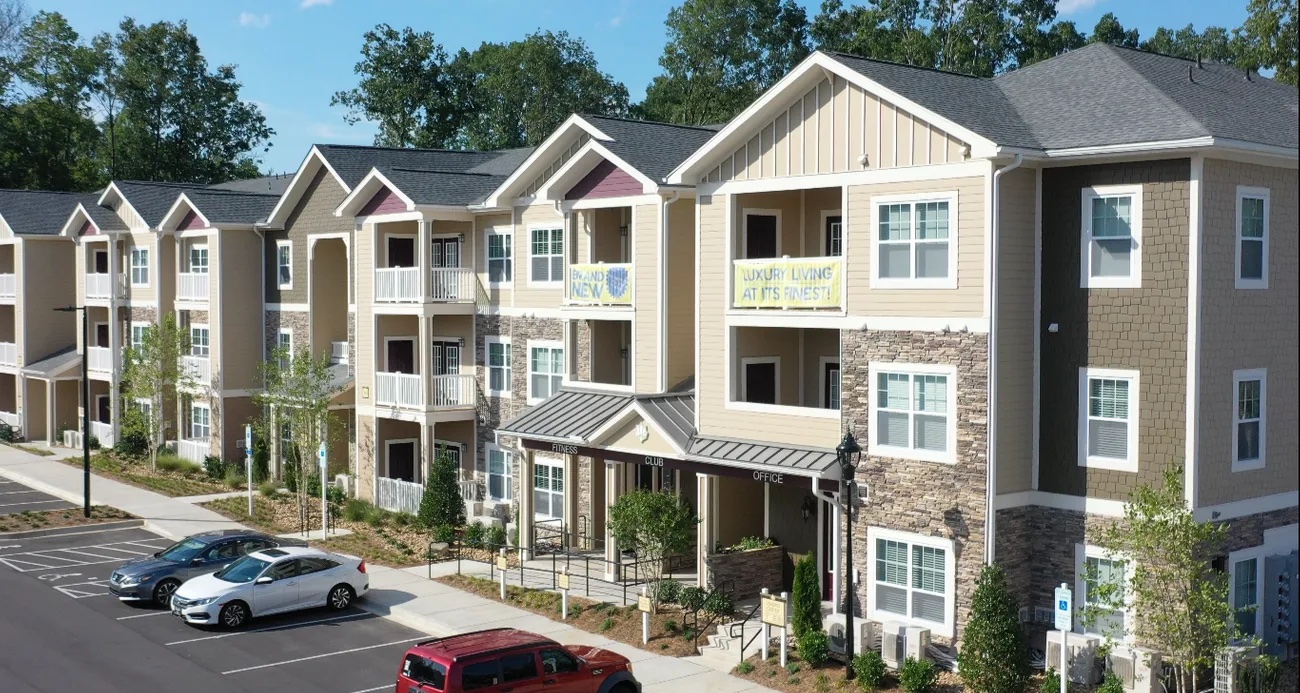
One of the thorniest long-term challenges facing North Carolina as a state is the cost of housing. Though housing in North Carolina may not be as cost-pressured as some states, it has still risen sharply: according to Zillow, the average cost of housing across the state has risen almost 50% since 2020. Housing costs have risen dramatically in North Carolina’s big cities, rural towns, and every type of community in between, and from east to west. Those rising costs have obviously put tremendous direct financial strains on North Carolinians young and old, but they are responsible for innumerable, and less tangible, pains as well: moves never made, jobs not taken, children not had, and phases of life delayed or postponed.
In the 2023-2024 North Carolina legislature, there was curiously little action whatsoever on housing policy. Yet this year, that logjam appears to have broken. A raft of bills, all with bipartisan sponsorship uniting behind sound policy, have emerged: House Bill 369 (eliminating parking requirements), Senate Bill 492 (single-stair permitting), Senate Bill 495 (ADU permitting) and Senate Bill 499 (housing in commercial/retail districts) are all good examples, and deserve strong support. And so does another, which includes some of the strongest reforms of any bill offered in this legislative session to expand housing inventory: House Bill 765, now named the “Save the American Dream Act.”
HB 765 represents a bold, innovative, and meaningful step toward addressing some of the fundamental causes for North Carolina’s expanding housing crisis. As insufficient housing supply leaves millions of North Carolinians struggling to afford a place to live, it’s time to acknowledge that something must change. North Carolina’s lawmakers should seize this opportunity to make a breakthrough for our state’s housing affordability.
Growing supply to meet demand
Research varies about the exact magnitude of North Carolina’s “housing gap” between available inventory and demand, but it is widely agreed to be in the many hundreds of thousands of units. There are many factors involved in slowing housing production, including the rising cost of labor, materials, and financing. But a major contributor is also the tangled thicket of intricate permitting and zoning regulations, put in place by local governments, that has made housing development much more difficult, unpredictable and risky - and thus, expensive.
HB 765 aims to take a weed whacker to this thicket.
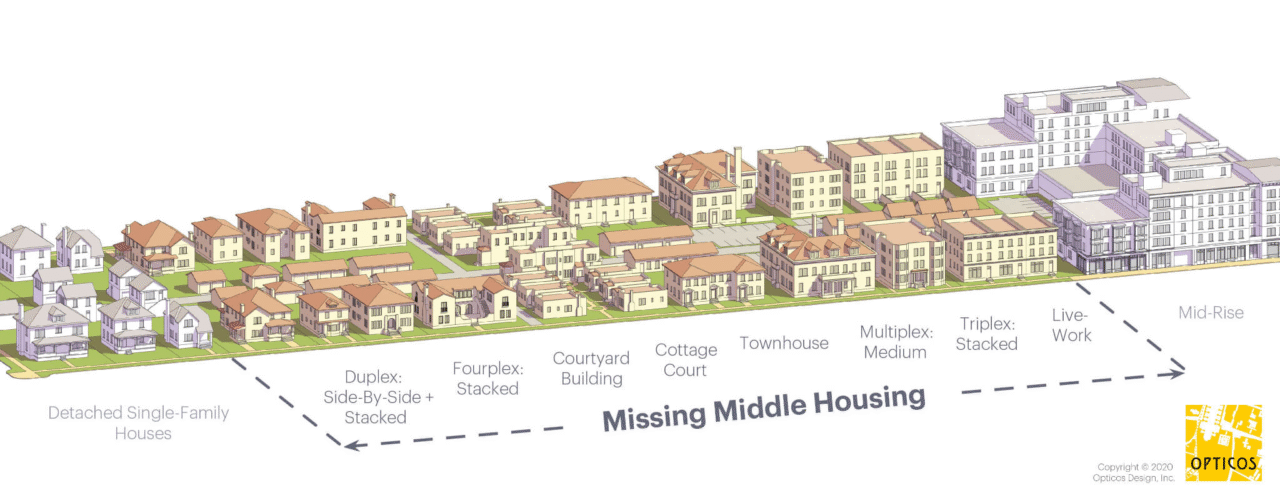
Among the bill’s key components is eliminating the practice of exclusionary zoning, which has artificially constrained housing supply for decades. In North Carolina’s 7 biggest counties (those with 275,000 residents and more), HB 765 would allow diverse, “missing middle” housing types in all areas previously restricted to only single-family homes. A small cottage court or fourplex can help add more available housing choices to buyers with different needs and at lower price points. Today, most of these formats are simply illegal to build at all in most of the state, even in those with the greatest housing demand.
Among HB 765’s most important provisions, the bill would:
- standardize regulations for new development, and limit local officials from layering on their own ordinances or rules
- set minimum density limits where new development would be allowed “by-right” (eg., without special approval)
- establish a “shot clock” for planning authorities, requiring them to approve or deny a development application within 90 days
Taken together, these reforms would significantly streamline new housing development exactly where it is needed most, reducing not only developers’ costs for legal representation and review, but also resources spent negotiating with local planning authorities - costs which inevitably wind up in the price of housing. Instead, the bill would create a more predictable, fair and rules-based process that makes it easier to build.
Local governments must accept responsibility
An uncomfortable reality to face is that local governments - and certainly not just in North Carolina - have generally failed on housing.
Many local governments simply have not produced enough housing to meet rising demand, resulting in higher costs. There are some cases where this is clearly intentional, and local politicians have deliberately tried to slow down or even block new housing development for a variety of reasons. But more often, the problem is structural. Even in cities like Raleigh, Durham and Charlotte, where progressive local leadership has been effective in encouraging denser housing development to alleviate shortages, small minorities of vocal, often well-connected and wealthier residents have still been able to unfairly leverage their resources and political access veto or bog down the development process.
One perfect example is the ongoing drama of Raleigh’s Hayes-Barton neighborhood. There, a very small group of highly vocal, wealthy residents are litigating against a city plan to allow a few townhomes nearby (on land the residents do not even own). Nearby, the Raleigh Country Club - where initiation fees start at $25,000 - is litigating a similar battle to block a handful of townhomes (once again, on land they do not own). Of course, the residents insist, they are not against all development - just none near them, personally.
HB 765 would largely moot this issue, making it much more difficult for well-heeled NIMBYs to use their wealth to block new development near them - thus forcing it into lower-wealth neighborhoods, fueling displacement and gentrification. It is unjust to allow wealthy residents the ability to block new housing development in their own areas, often under the guise of “protecting the character of the neighborhood,” and shunt it into lower-wealth neighborhoods instead, where residents do not enjoy the same level of political access.
To save the environment, build denser
For those rightly concerned about the impact of new housing on the environment, HB 765 is an important aid that could help reduce the environmental footprint of new development.
When denser development is thwarted by local regulatory opposition, growth has only one way to go: outward. The rapid development of North Carolina’s suburban communities, from Leland to Clayton, Apex, Wake Forest, Mebane, Harrisburg, Mt. Holly or Matthews, has been one of housing demand with nowhere to go but into the endless suburban expanse. Environmentalists, with good reason, worry about the environmental impact of the continued expanse of car-dependent, low-density developments like these. Farmland conservationists have similar concerns about losing rural land to housing developers.
By promoting denser development, HB 765 (and the other bills listed above) helps to address these concerns. Denser development in high-demand areas helps to soak up demand for housing, promoting lower carbon footprints for residents and sending fewer out to far-flung suburbs.
Choose NC’s future, not entrenched interests
North Carolina faces significant challenges in the years ahead. A growing population, shifting economic landscape, and changing climate all demand long-term strategy, rather than short-term politics. At a time when lawmakers claim to be concerned about economic competitiveness and opportunity, addressing the housing crisis should be a top priority.
House Bill 765 is not a silver bullet for the housing crisis. Nevertheless, it represents a balanced, thoughtful approach to a complex problem. It respects the legitimate role of local government while acknowledging the reality that some state-level standards are necessary and fair to promote access to affordable housing for all North Carolinians. It, along with the other housing reforms offered this session, is good policy for our state - and deserves lawmakers’ support.