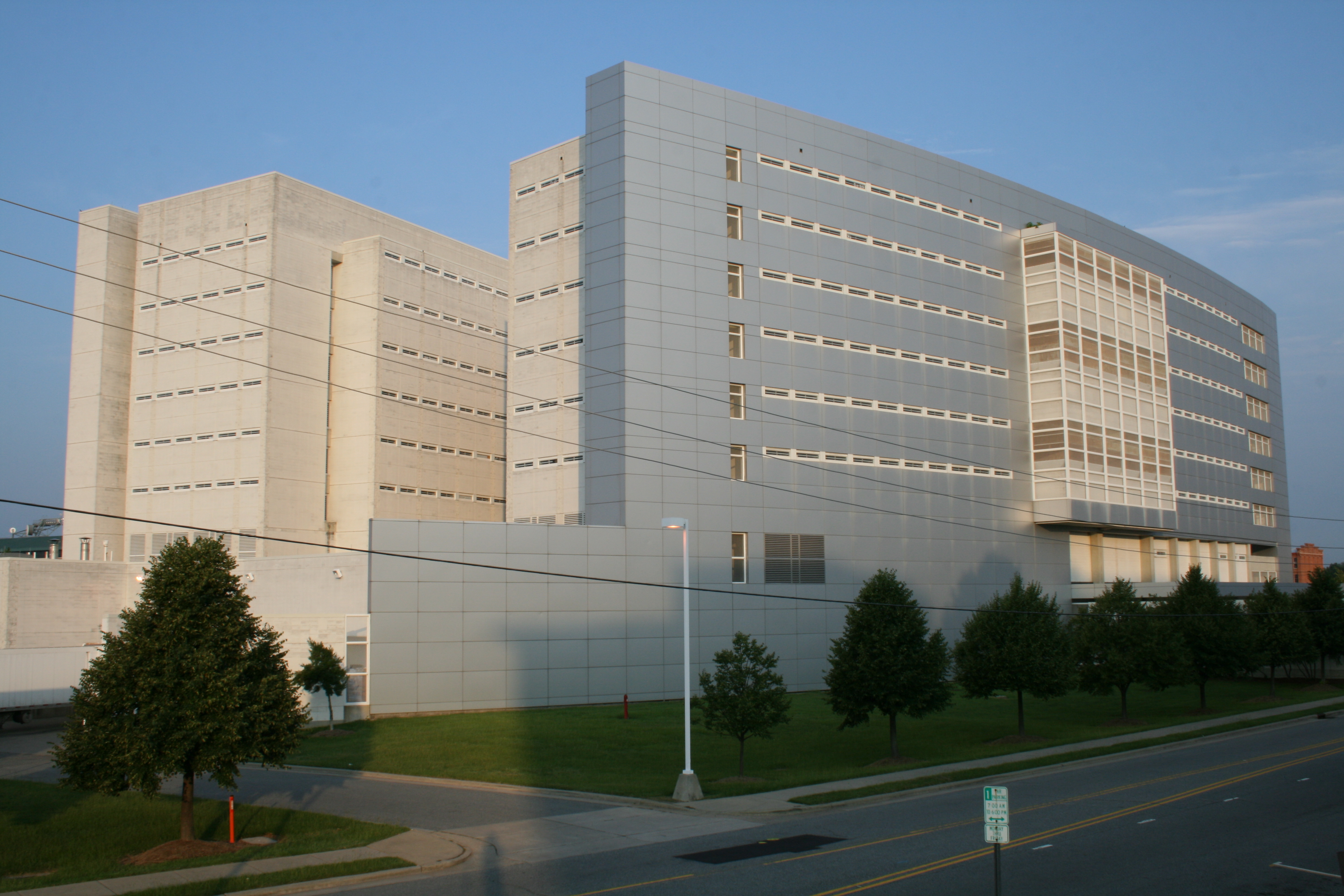
When inmates at the Bertie-Martin Regional Jail overpowered correctional officers at 5 AM on June 29th, the headlines were alarming: two guards and 80 inmates taken hostage, with nearly 20 law enforcement agencies responding, including the State and Federal Bureaus of Investigation. After hours of negotiation, both guards and 80 inmates were released.
But questions swirled. How did this happen? Why did the facility have only three guards on site at the time of the takeover?
The North Carolina Sheriffs’ Association pointed to an issue correctional leaders have been raising for years: recruiting and retaining correctional officers has become increasingly difficult because pay isn’t competitive with jobs outside the corrections system.
The recently enacted state budget recognizes that the Department of Adult Correction is struggling, but it ultimately falls short of addressing the structural problems that threaten the safety of correctional officers, incarcerated people, and communities alike. As Carolina Forward’s analysis of the 2026–27 state budget explains, lawmakers acknowledge persistent staffing shortages while simultaneously eliminating hundreds of correctional positions that have remained vacant because the state has struggled to recruit workers. At the same time, lawmakers have questioned the value of institutions like the Innocence Inquiry Commission and continue to underinvest in rehabilitation programs that research shows actually reduce violence and improve public safety, like the recently-cut $1 million Second Chance Initiative at Campbell University.
If North Carolina wants safer communities, it must stop treating corrections as merely a cost to manage and start treating it as an investment in public safety.
A Staffing Crisis Years in the Making
North Carolina’s newest budget, which was signed by Governor Stein on July 7th includes approximately $321 million in new Justice and Public Safety appropriations, with nearly half directed toward the Department of Adult Correction to address longstanding operational shortfalls. On paper, that appears to be a significant investment.
Buried within the same budget conference report is another decision: the elimination of 574 Department of Adult Correction positions. While many of these positions had remained vacant for years, Carolina Forward’s analysis notes those vacancies represent jobs the state has repeatedly struggled to fill because salaries have not kept pace with the demands and dangers of correctional work. Removing vacant positions from a staffing chart may balance a budget on paper, but it does not solve the underlying workforce shortage.
Correctional officers work long hours in high-stress environments, often managing individuals with serious mental health conditions, substance use disorders, or histories of violence. Chronic understaffing increases mandatory overtime, contributes to burnout, and makes facilities more dangerous for everyone inside.
Public Safety Requires More Than Secure Prisons
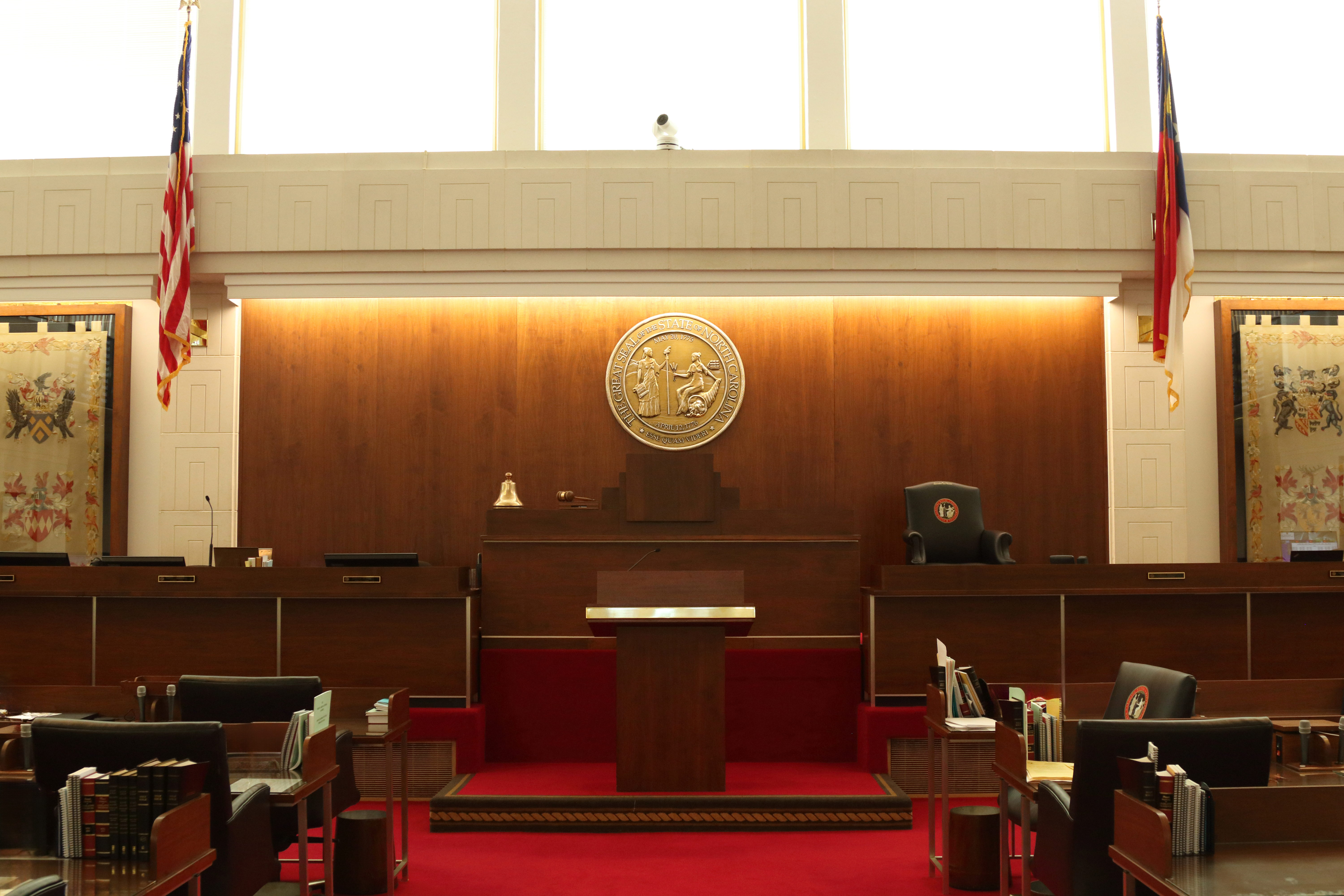
Investing in corrections isn’t simply about hiring more officers or building more prison beds. A functioning justice system requires confidence that the right people are incarcerated in the first place. That is why North Carolina’s decision to preserve the North Carolina Post-Conviction Review Commission, formerly the Innocence Inquiry Commission, is worth celebrating.
Last year, Senate lawmakers proposed eliminating the Commission entirely as part of budget cuts. Ultimately, lawmakers reversed course.
Since beginning operations in 2007, the Commission has reviewed more than 4,200 claims of innocence and helped secure 16 exonerations, including several nationally significant wrongful conviction cases. Just as importantly, its investigations also confirm convictions when evidence supports guilt, providing confidence that justice has been served. This work comes at a remarkably modest cost: approximately $1.6 million annually.
The Commission exists because North Carolina learned painful lessons from wrongful convictions such as that of Darryl Hunt, who spent 19 years imprisoned for a crime he did not commit before DNA evidence identified the true perpetrator.
Public safety depends not only on holding guilty individuals accountable but also on ensuring innocent people are not wrongfully imprisoned. Independent review strengthens confidence in the justice system, supports law enforcement when convictions are sound, and corrects mistakes when they occur.
The near elimination of the Commission serves as a reminder that investments in justice are often viewed as optional expenditures rather than essential.
What Actually Makes Prisons Safer?
For decades, criminal justice debates have often framed rehabilitation and accountability as competing priorities. The evidence increasingly suggests they are complementary.
A recent Brennan Center for Justice report on prison reform argues that America’s prison system is trapped in a costly cycle: nearly 62% of people released from prison are rearrested within three years, and approximately 39% return to prison. Rather than reducing crime, prisons frequently fail to address the underlying issues that contribute to criminal behavior, including inadequate education, untreated mental illness, substance use disorders, and limited employment opportunities.
Across the country, however, states are experimenting with a different model.
The Brennan Center highlights Restoring Promise, a program in South Carolina that redesigned housing units while emphasizing mentorship, education, and dignity. Researchers found participants experienced a 73 percent reduction in violent incidents and an 83 percent reduction in placements in solitary confinement.
In Maine, the state’s Model of Corrections resulted in a 40 percent reduction in assaults between incarcerated people, a 36 percent reduction in assaults on staff, and a 69 percent reduction in staff use-of-force incidents.
Meanwhile, Michigan’s Vocational Village prepares incarcerated people for skilled trades, resulting in a recidivism rate nearly half that of the broader prison population.
These reforms do not ignore accountability. They recognize that almost everyone incarcerated today will eventually return to a community. The question is whether they return better prepared to succeed or more likely to reoffend.
Rehabilitation Is Public Safety
Research consistently shows that rehabilitation benefits correctional officers as much as incarcerated individuals.
Facilities that reduce violence through education, mental health support, vocational training, and behavioral interventions become safer workplaces. Officers spend less time responding to assaults, lockdowns, and disciplinary incidents and more time maintaining stable, secure facilities.
Correctional officers deserve workplaces where they are adequately staffed, properly compensated, and supported with evidence-based practices that reduce violence rather than merely reacting to it after the fact.
Investments in rehabilitation are not alternatives to public safety.
They are public safety.
According to the Brennan Center’s national polling, more than 90 percent of Americans—including Democrats and Republicans—support requiring prisons to be free from violence and to provide educational and vocational opportunities that prepare people for successful reentry.
We Need More State Capacity, Not Less
This is a symptom of a broader problem. The General Assembly has repeatedly chosen to reduce revenue collection even as costs go up. That means fewer good jobs for North Carolinians, less capacity to deliver on existing state functions, and no ability to build out more impactful interventions (like more robust drug recovery programs and stronger, more helpful behavioral health programs).
The Bertie-Martin Regional Jail takeover highlights the consequences of operating correctional facilities under significant staffing strain. While the specific causes of the incident remain under investigation, the fact that three correctional officers were supervising 88 inmates illustrates the operational challenges facing some correctional facilities in North Carolina.
The 2026–27 North Carolina state budget acknowledges these challenges by directing additional funding to the Department of Adult Correction. At the same time, it eliminates hundreds of long-vacant correctional positions, reflecting the state’s ongoing difficulty recruiting and retaining correctional staff. Together, these decisions underscore the complexity of addressing workforce shortages in the correctional system.
North Carolina’s criminal justice system also depends on institutions beyond correctional facilities. The preservation of the North Carolina Post-Conviction Review Commission ensures that an independent process remains in place to review credible claims of innocence, while research from the Brennan Center for Justice continues to demonstrate that education, vocational training, behavioral health services, and other rehabilitative programs are associated with lower rates of prison violence and recidivism.
Viewed together, these developments point to a broader reality: public safety is influenced by staffing levels, institutional oversight, correctional working conditions, and access to evidence-based rehabilitation. As North Carolina continues to evaluate its correctional system through budgets and legislation, experiences from other states suggest that investments in workforce stability, prison safety, and rehabilitation can improve outcomes for correctional officers, incarcerated people, and the communities to which most incarcerated people eventually return.